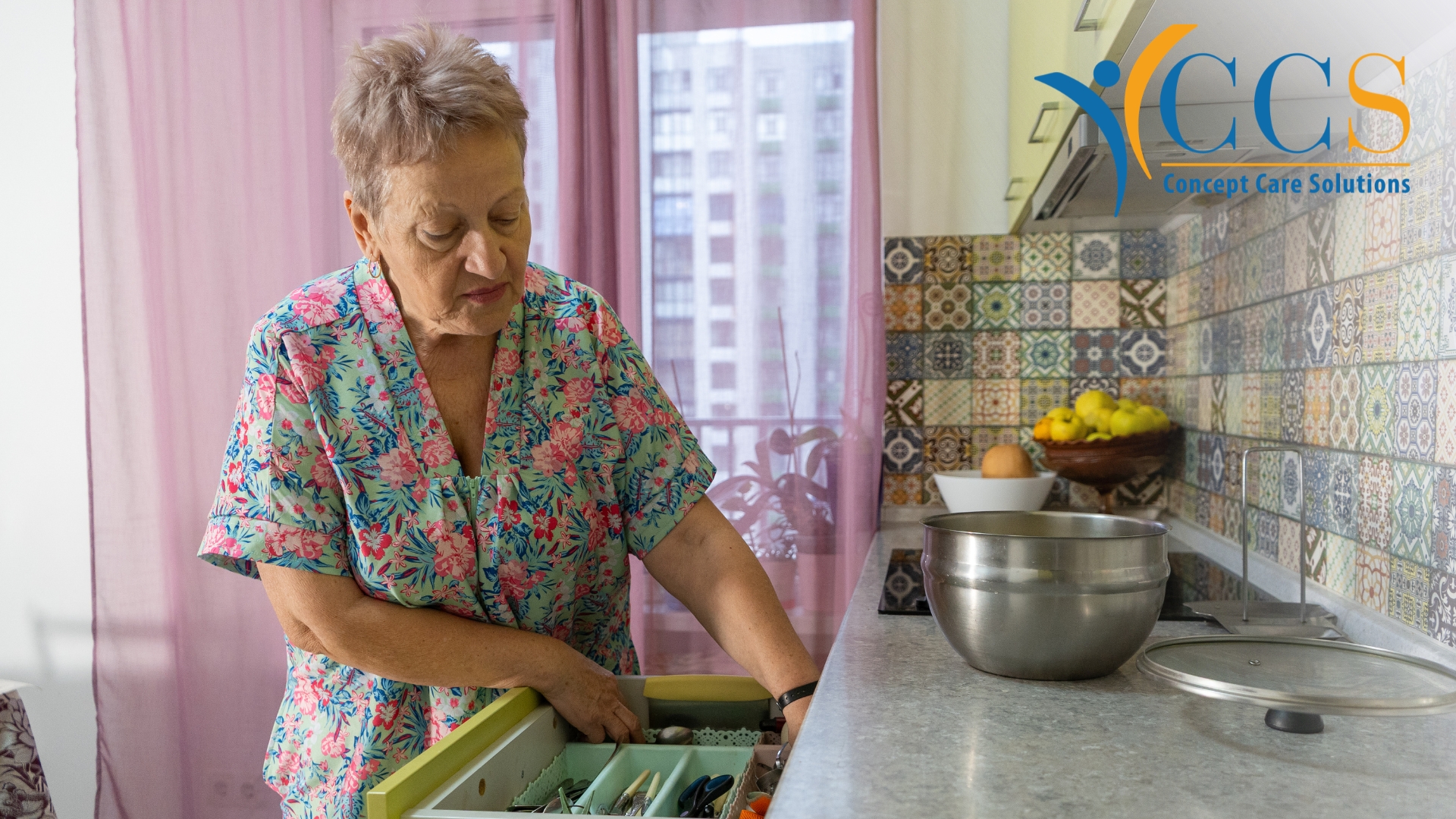
It can be difficult watching your parents get older and witnessing as their needs evolve and change over the years – and it can be just as difficult for them to accept that they may start to need a bit more support if they want to continue living independently for as long as possible.
As such, knowing the first signs of ageing to look out for that might suggest a change in needs is taking place will help you ensure that certain standards of home care are provided as and when appropriate.
How do you know when your elderly parents need help?
Here are some of the indications that your parents may need extra assistance with day-to-day life.
Physical changes
- Unexplained weight loss
- Frequent slips, trips and falls
- Difficulty getting up out of chairs
- Finding it harder to take the stairs
- Difficulty balancing
Cognitive changes
- Increased forgetfulness, such as repeating questions, missing appointments, misplacing common items regularly or getting lost in familiar locations (all early signs of dementia)
- Confusion, such as being unsure of time and place
- Difficulty managing finances
Poor hygiene
- Increased body odour
- Unbrushed hair
- Untrimmed fingernails
- Dirty clothes
Behavioural changes
- Changes in mood, such as irritability, agitation, depression and anxiety
- Social isolation, avoiding friends and family
- Loss of interest in hobbies and other favourite pastimes
- Neglecting the home and difficulty managing chores
- Mismanagement of medication
What to do when a parent can no longer live alone?
There are many avenues of support you can consider if your parents do need additional support – and it may not necessarily be the case that they need to leave their home.
You could consider a live-in carer, for example, where a healthcare professional moves in to ensure that they’re well taken care of.
Alternatively, you could investigate the benefits of companionship care or home care, where someone comes to visit the home for as much time as is required, helping with a range of different tasks as appropriate.
The advantage of this kind of service is that it can easily be scaled up or down, depending on how your parents’ needs change as time goes on.
Should I consider an elderly care needs assessment?
If your parents are finding it hard to manage and you believe they need social care, the first step to take is to arrange for a care needs assessment from your local council.
Get in touch with the adult social services department and ask for this free assessment to be carried out. The council will decide how soon to conduct the assessment based on your parents’ specific needs and circumstances.
Make sure that you give them as much detailed information as you can about your parents’ situation so you know the appropriate level of care will be provided.
If you’d like to find out more about these assessments and elderly care, get in touch with the Concept Care team today.