When we think about menopause, we often associate it with women in their 40s and 50s. But what happens in the decades that follow? For many women, the effects of menopause don’t simply disappear with age, and some changes can continue to influence their health and wellbeing well into their 70s and beyond.
As we recognise Menopause Awareness Month, it’s important to remember that menopause isn’t just a midlife conversation. Understanding its lasting effects can help older women, their families and carers make informed decisions about health, comfort and independence.
Does Menopause Still Affect Women Over 70?
Menopause typically occurs between the ages of 45 and 55, marking the end of a woman’s menstrual cycle. The years that follow are known as postmenopause.
Although symptoms such as hot flushes and night sweats often become less frequent over time, some women continue to experience them for years. Other changes, including vaginal dryness, urinary problems and reduced bone density, may persist or become more noticeable with age.
According to the NHS menopause guidance, symptoms can continue after menopause and vary considerably between individuals.
For women over 70, recognising these changes is important. Symptoms should never automatically be dismissed as an unavoidable part of growing older.
1. Bone Health and Maintaining Independence
One of the most significant long-term effects of menopause is its impact on bone health.
Oestrogen plays an important role in maintaining bone strength. As oestrogen levels decline following menopause, women can experience accelerated bone loss, increasing their risk of osteoporosis.
For elderly women, weaker bones can increase the likelihood of fractures, particularly following a fall. This can have a significant impact on confidence, mobility and the ability to manage everyday activities independently.
Maintaining a balanced diet, staying physically active where possible and discussing osteoporosis risk with a healthcare professional can all contribute to better bone health.
For older women who need additional assistance, domiciliary care can provide practical support with mobility, daily routines and maintaining a safer home environment.
2. Sleep Problems Don’t Always Disappear
Sleep disturbances are commonly associated with menopause, but they don’t necessarily end once a woman reaches her 60s or 70s.
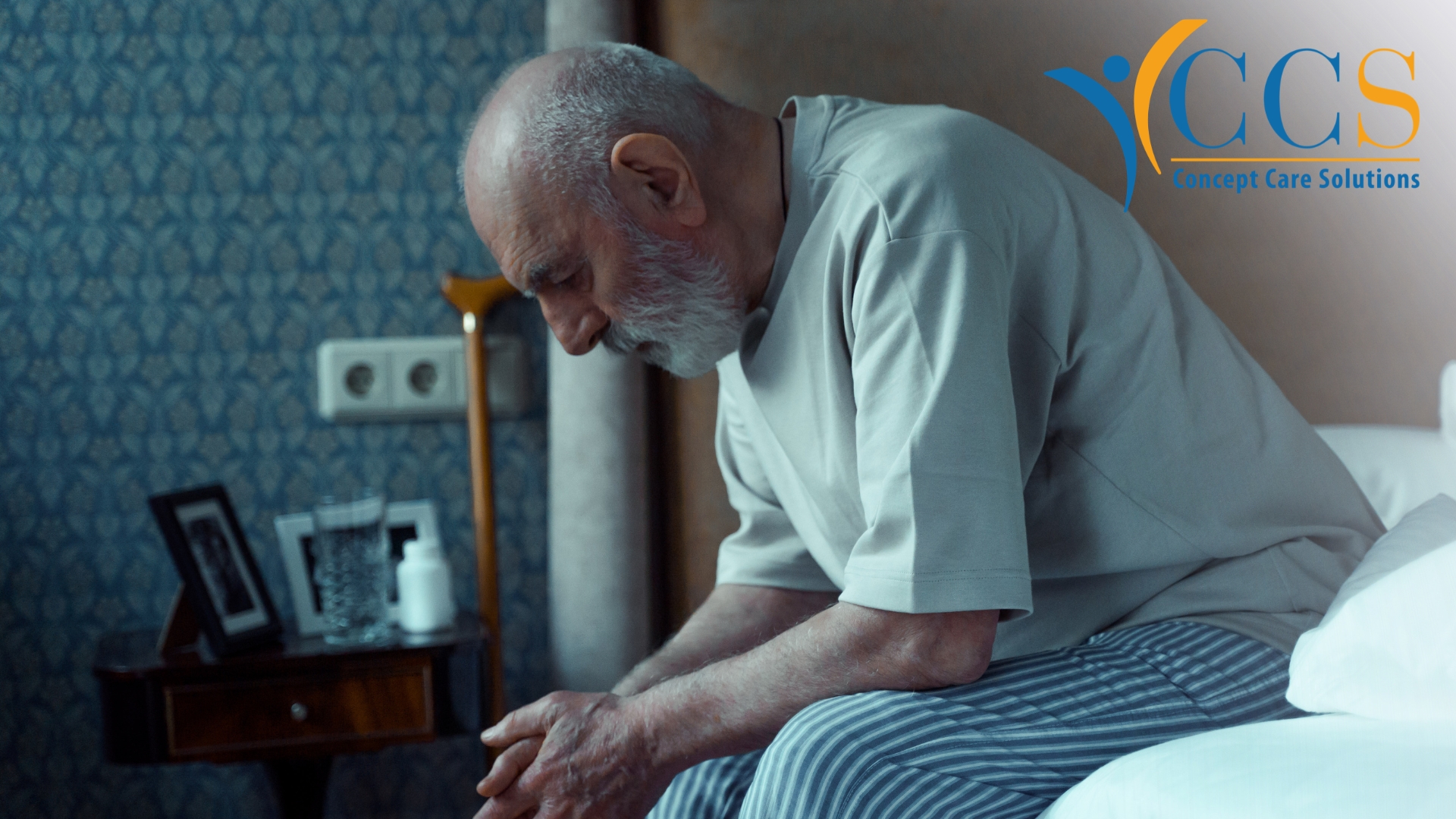
Some older women continue to experience night sweats, difficulty staying asleep or disrupted sleeping patterns. Poor sleep can affect energy levels, concentration and emotional wellbeing.
For elderly women, ongoing tiredness may also make everyday tasks feel more demanding.
Simple adjustments, such as maintaining a comfortable bedroom temperature, following a consistent sleep routine and reducing caffeine later in the day, may help improve sleep quality.
However, persistent sleep problems should be discussed with a GP, as other health conditions and medications can also affect sleep in later life.
3. Bladder Health and Personal Comfort
One area of postmenopausal health that receives less attention is bladder and vaginal health.
Lower oestrogen levels can cause changes to vaginal and urinary tissues, sometimes resulting in dryness, irritation, urinary urgency or recurrent urinary tract infections.
These symptoms can affect comfort, confidence and everyday wellbeing, particularly for older women who may already experience mobility difficulties.
Fortunately, treatments are available, and women should feel comfortable discussing these concerns with their GP.
Where personal care assistance is needed, respectful and sensitive support can help older women maintain their hygiene, comfort and dignity without compromising their independence.
4. Emotional Wellbeing Still Matters
Menopause can affect emotional wellbeing, but its relationship with mental health in later life is often overlooked.
While menopause-related mood changes commonly occur around the menopausal transition, older women may also experience emotional difficulties linked to poor sleep, ongoing physical symptoms, bereavement, loneliness or changes in independence.
These experiences should not automatically be attributed to menopause or ageing.
Maintaining social connections, participating in enjoyable activities and having someone to talk to can make a meaningful difference.
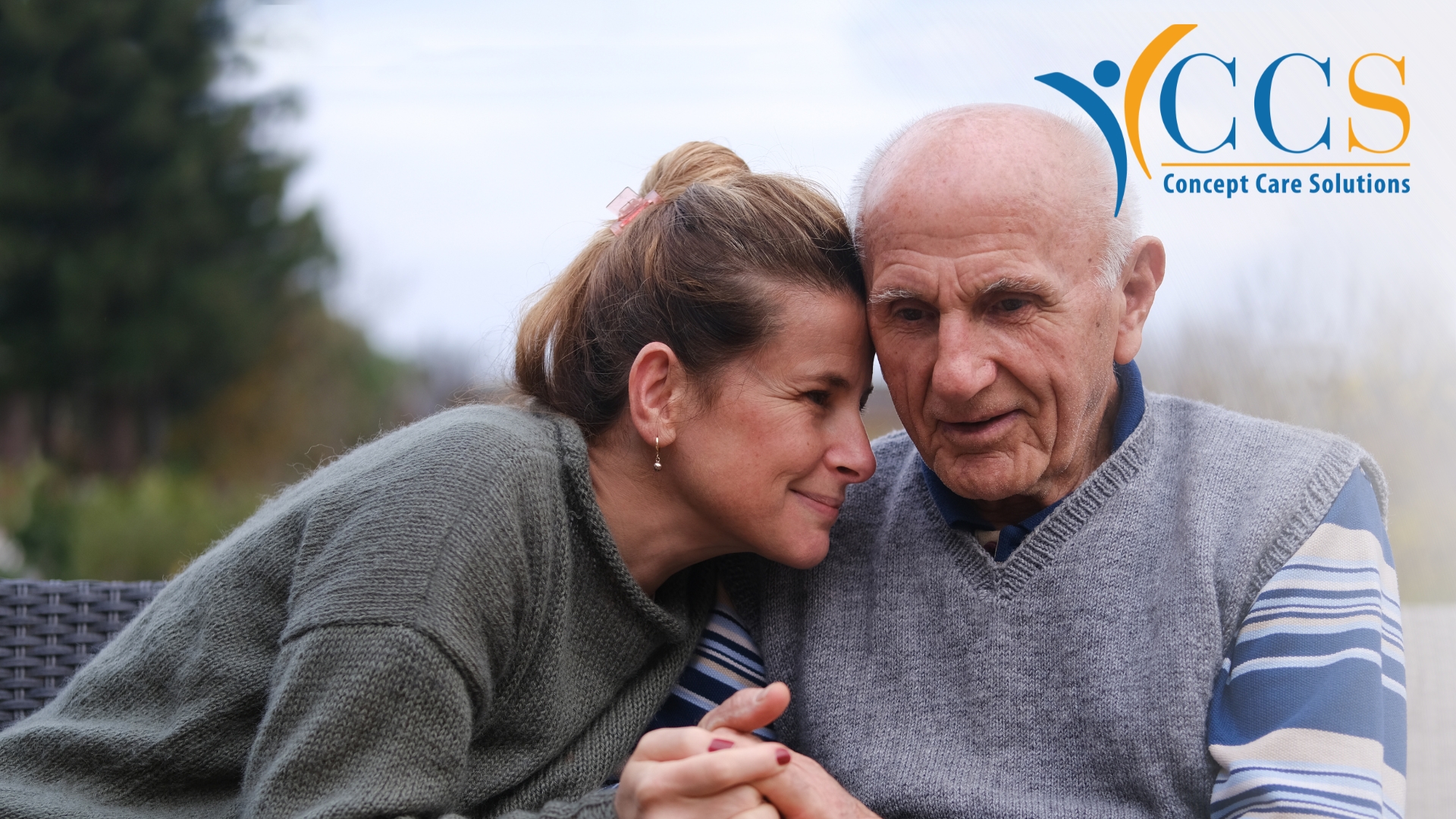
For women living alone, regular companionship and emotional support can help reduce feelings of isolation and encourage a more positive daily routine.
5. Recognising Symptoms Rather Than Dismissing Them
One of the biggest challenges facing older women is the assumption that changes in their health are simply part of ageing.
Fatigue, joint discomfort, bladder problems and disturbed sleep may sometimes be connected to postmenopausal changes. However, they can also have other medical causes.
This is why listening to older women and taking their concerns seriously is so important.
Families and carers can help by encouraging open conversations, recognising changes in wellbeing and supporting access to appropriate healthcare advice.
In particular, any vaginal bleeding after menopause should always be assessed by a GP, even if it happens only once.
How Homecare Can Support Women in Later Life
Although homecare cannot treat menopause itself, it can play an important role in helping older women manage everyday challenges and maintain their quality of life.
At Concept Care Community Services, we understand that every individual’s needs are different. Our approach focuses on providing compassionate, personalised support that helps people remain comfortable and independent in their own homes.
Depending on individual needs, our care professionals can assist with:
Personal care: Supporting daily hygiene and dressing while respecting privacy and dignity.
Mobility assistance: Helping individuals move safely around their homes and supporting falls prevention.
Meal preparation: Encouraging balanced nutrition and healthy daily routines.
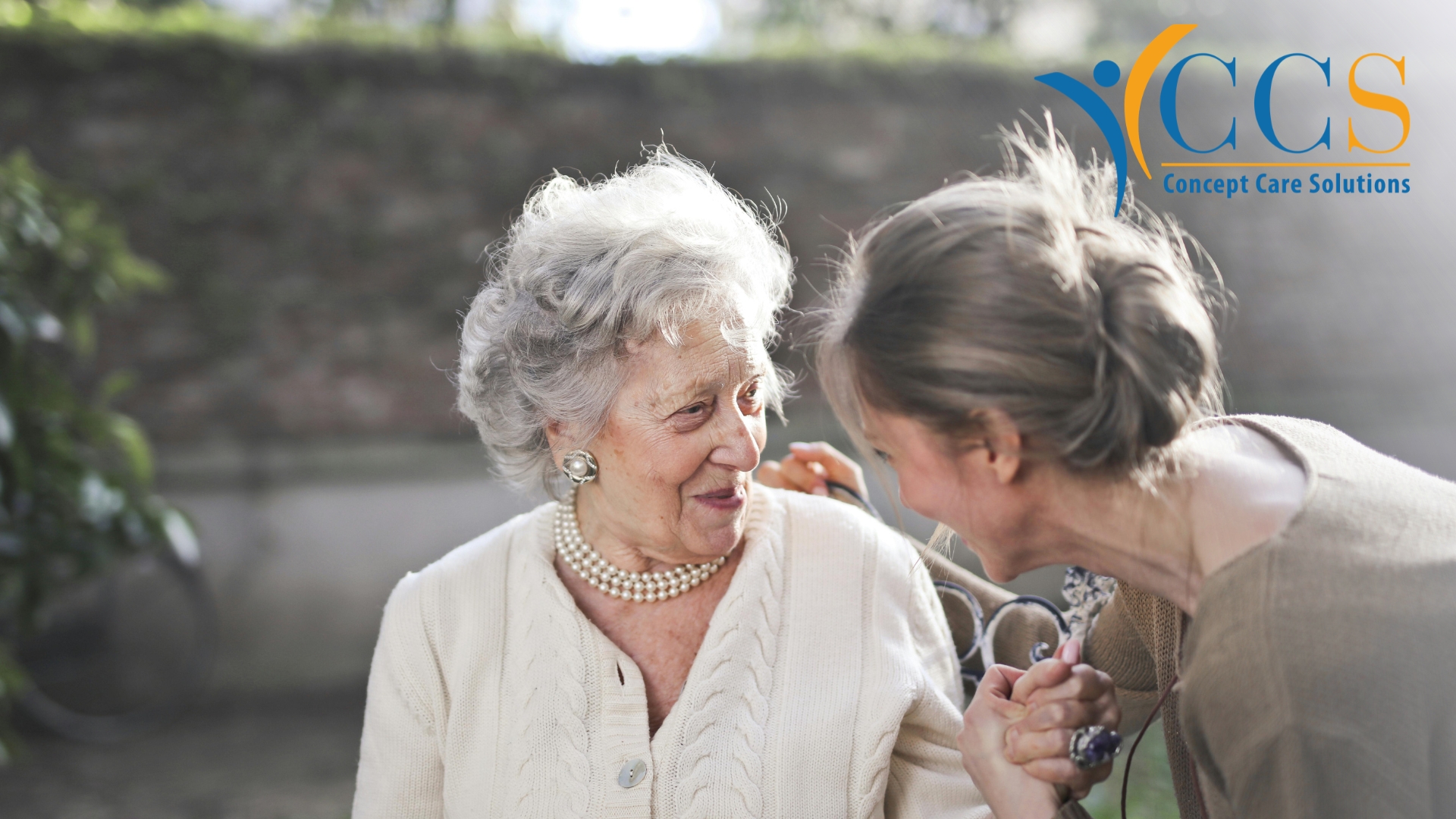
Companionship: Providing conversation, reassurance and meaningful social interaction.
Everyday activities: Offering practical assistance with household tasks and maintaining independence.
Whether someone requires occasional visits or more regular assistance, the right level of support can make everyday life easier without taking away their independence.
Menopause Awareness Shouldn’t Have an Age Limit
Menopause is a natural stage of life, but its effects and the health changes associated with postmenopause deserve attention long after a woman’s final period.
For women over 70, understanding these changes can help encourage earlier conversations, better health awareness and access to appropriate support.
This Menopause Awareness Month, let’s remember that older women deserve to feel heard, understood and supported at every stage of life.
Need a little extra support at home?
At Concept Care Community Services, we’re committed to helping older adults maintain their comfort, dignity and independence through compassionate, person-centred care.
Explore our homecare services and discover how we can support you or a loved one.