If you or someone you love is diagnosed with Parkinson’s disease, it can lead to a time of significant change, although to what extent depends on when it is diagnosed, how quickly it progresses and the effects the symptoms have on your life or the life of your loved one.
As soon as Parkinson’s is diagnosed as the cause of symptoms, it is time to consider the next steps to ensure that your loved one’s needs are taken care of now and plans are in place for how these will change going forward.
You do not have to face these changes alone, and dedicated home care teams endeavour to make sure that your loved one can stay in their home, can remain independent and have support to thrive at everything they want to do.
As well as this, there are some steps you can take to help support your loved one and help them feel happy and comfortable in their own home whilst managing their Parkinson’s symptoms.
Can Home Adaptations Help Your Loved One To Stay In Their Own Home?
One of the first steps of your loved one’s care needs assessment will be to check if your home is still suitable and safe to continue living in, and what can be done to help make it so.
There are a lot of mobility aids, safety equipment and fixtures such as grab rails which can make it easier for someone with Parkinson’s to get up and move around by themselves.
They can help prevent falls, provide support when stiffness or muscle cramps hit, provide relief from tremors or help with eating, drinking, cooking, personal care and taking medication at regular times.
Your loved one’s medical team, particularly an occupational therapist, Parkinson’s nurse or physiotherapist, will be able to determine if particular pieces of equipment can help their needs most.
Which Adaptations Are Most Important For Your Loved One?
Adaptations are based on need, and everyone with Parkinson’s has slightly different needs, but here are some suggestions for adaptations that have provided help for a lot of people:
- – Grab bars, particularly in the bathroom, on staircases and anywhere with steps.
- – Brighter lights to avoid hidden dangers.
- – Stair lifts to help with mobility up and down different floors.
- – Personal alarms for peace of mind and to get help in case of falls.
- – Communication devices for use if speech is more difficult.
How Do You Create A Daily Routine For Someone With Parkinson’s
Most of us benefit from having a daily routine and structure, whether it is tightly organised or a loose checklist of tasks we would ideally like to get done today.
A daily routine is essential for people with Parkinson’s, as that stability can provide consistency, reduce stress and help maintain a sense of independence, especially if your loved one is involved at every stage of setting that routine.
Tips For Setting Up A Daily Routine
- -Ensure you have consistent times for waking up, for having meals, for taking medication and other essential activities in a day.
- -Plan time for exercise, relaxation and fun activities. Make the times consistent, but add variety to the activities themselves.
- -Plan around energy levels, which often involves arranging more demanding tasks to take place in the late morning and early afternoon.
- Break up tasks into smaller chunks, and ensure that there is enough time to do them if there is a chance of delays or challenges.
How Do You Manage Medication For Your Loved One?
Whilst medication management is important for any condition, it is particularly vital to plan around scheduled prescription times with Parkinson’s disease.
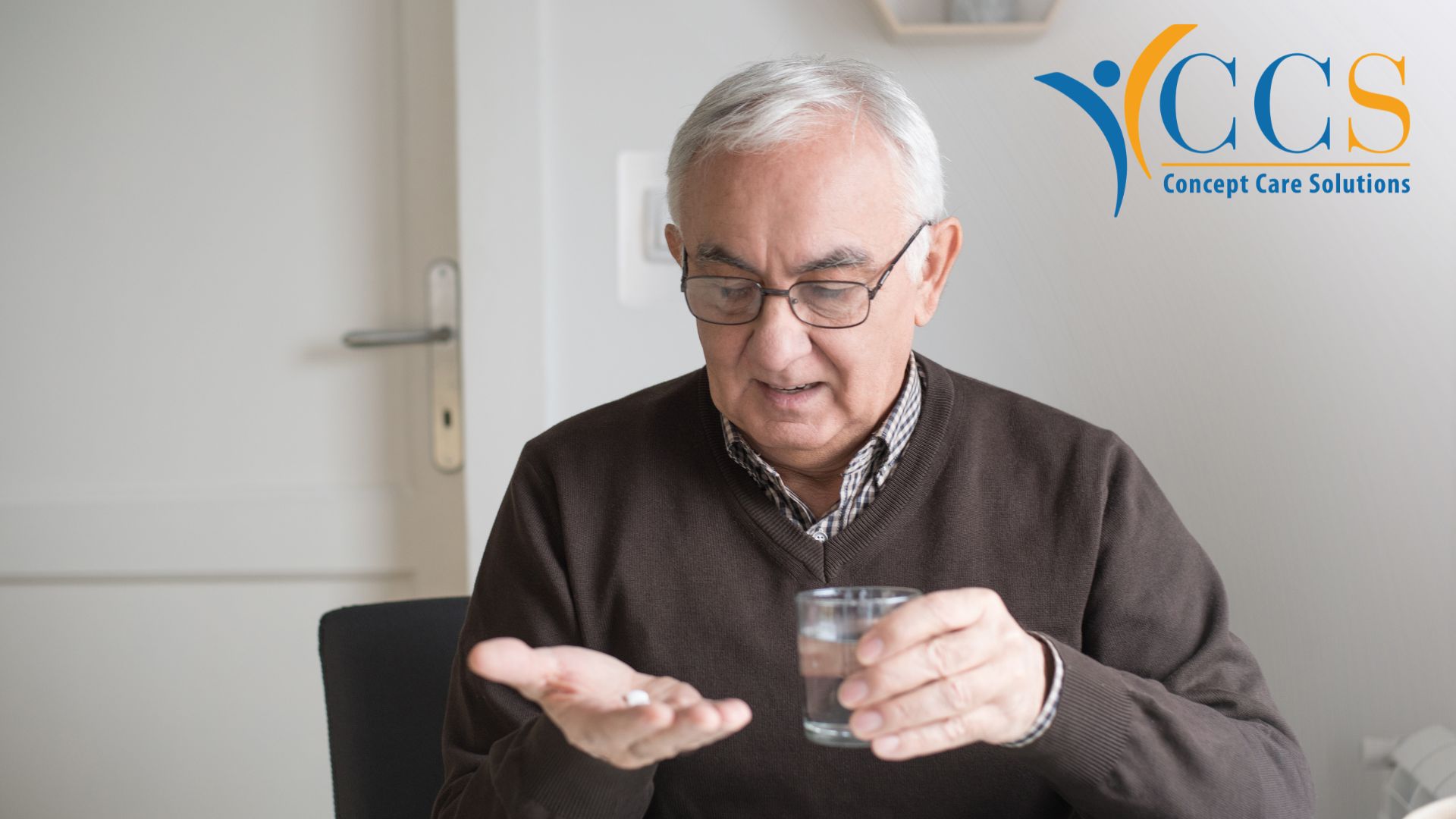
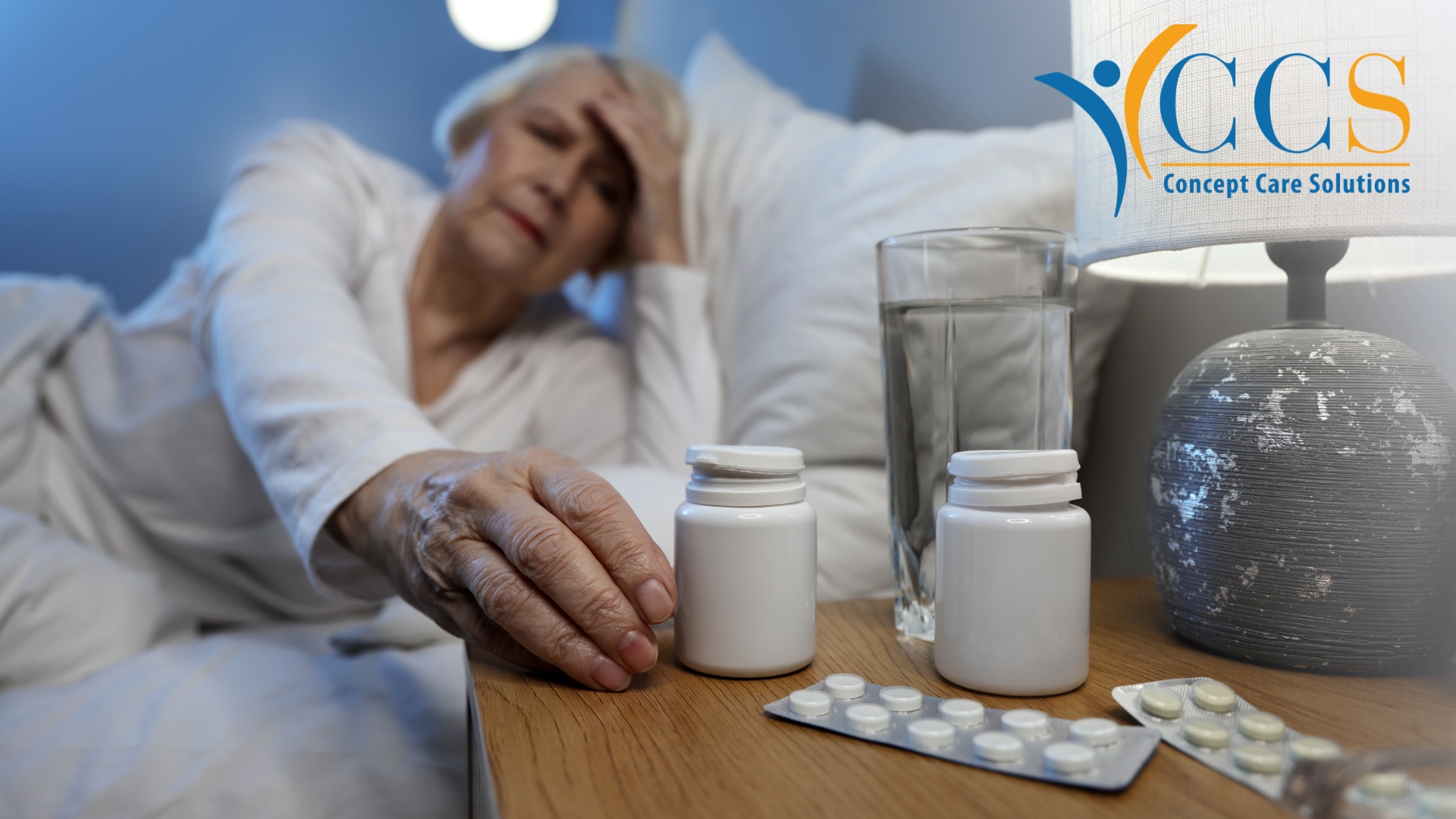
Many medications used to manage Parkinson’s symptoms need to be taken at specific times to ensure they help to manage symptoms as best as possible, and it can be quite stressful at times to remember to take particular medications at specific times.
However, there are ways to create medication plans which make this easier.
How To Manage Medication For Your Loved One
- – Use a timed pillbox, segmented by times of day, to help organise different medications, particularly if your loved one has multiple prescriptions.
- – Monitor effects with your loved one’s carers, pharmacist and GP, to ensure that the medication is working as intended.
Why Does Physical And Mental Exercise Matter For People With Parkinson’s?
Keeping active slows the progression of Parkinson’s, controls symptoms, and can be particularly important to help give your loved one control and independence back in their life.
This involves not only physical activity, such as walking, exercises approved by a physiotherapist and stretches designed with the needs of people with Parkinson’s in mind, but also mental activities such as puzzles and games.
Top Tips For Maintaining Physical And Mental Health
- – Ask a physiotherapist for approved, safe exercises. Stretching and chair-based workouts can still be effective.
- – Try fun activities such as dancing or tai chi.
- – Play games designed to test memory, or puzzles which provide a cognitive challenge.
- – Listen to music and talk about what it means, as this can boost social engagement and help with symptoms.
- – Be creative or read together.
- – Take your time and make sure there is plenty of time for any activity.
How Do You Help Someone With Parkinson’s To Maintain Their Independence?
Independence is at the centre of any home care routine; the goal of carers is to ensure that someone in their care can feel empowered, confident and encouraged enough to do anything they feel comfortable and safe to.
It provides control over daily life in a way that having every personal care need catered for cannot, and it allows them to be more involved in as many parts of their life as possible.
Top Tips To Ensure Your Loved One Feels More Empowered
- Allow your loved one to take time to do any task they are capable of doing safely, even if it takes them longer than it used to.
- Use home adaptations and adaptive tools to help them communicate, dress and eat for themselves.
- Respect their preferences and give them every opportunity to express them and make decisions for how they want to live their life.