Last week was Back Care Awareness Week, running from October 6th to 11th, giving us all the spark we need to think about our own physical concerns and what we can do to protect our backs, reduce the risks of injury and take care of any aches and pains that do arise over time.
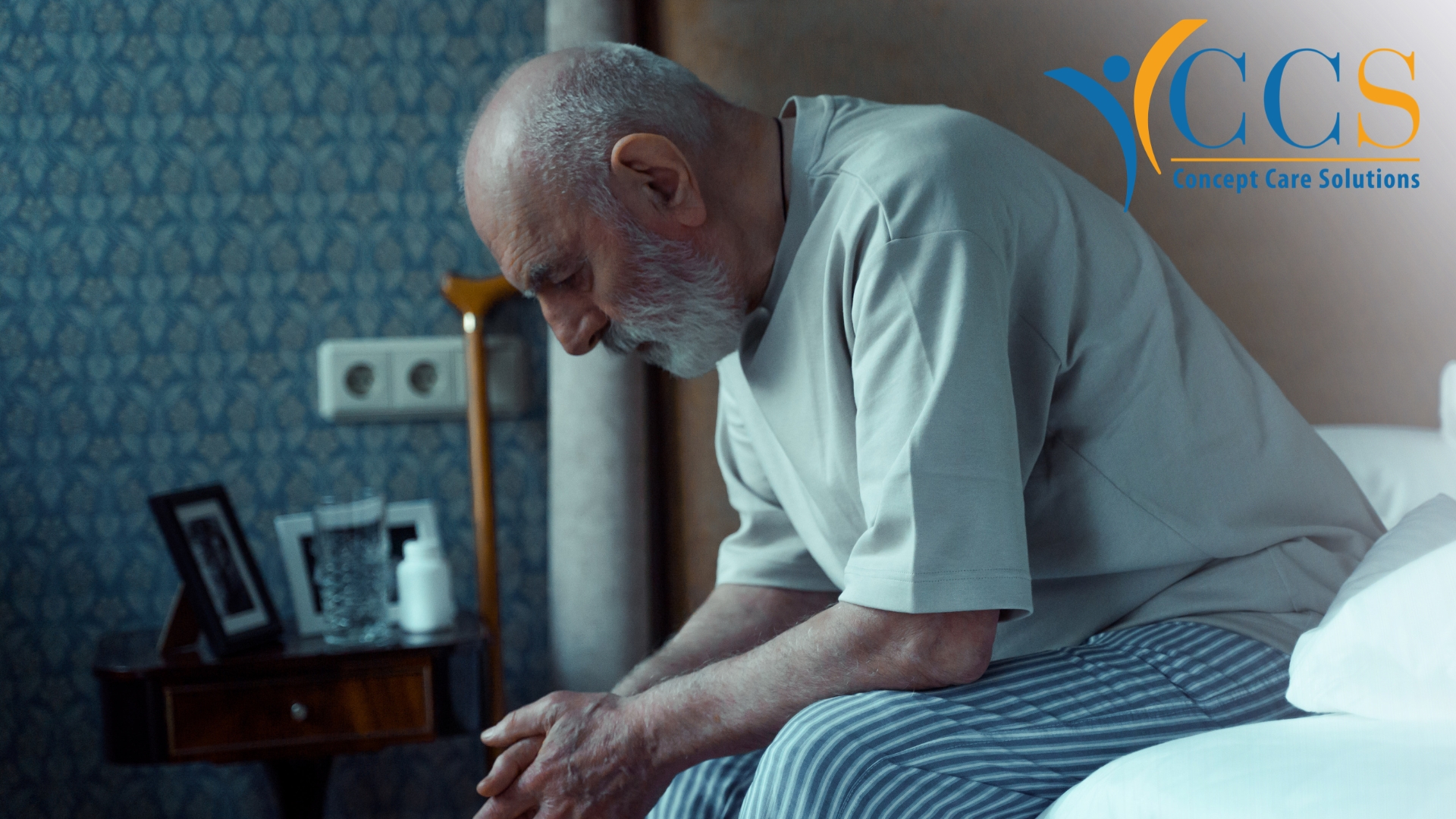
Lower back pain is one of the most common physical complaints of them all and it can affect anyone at any age, but symptoms can become more problematic as we get older.
This can be because of the degeneration of discs and joints, a narrowing of the canal through which the spinal cord passes (spinal stenosis) or if a vertebrae slips out of place and makes contact with the bone below (spondylolisthesis).
Accidents and injuries can also cause back pain, even if the incident in question took place many years ago.
You might also think that being active could put excessive wear and tear on your body, potentially leading to back pain – but, interestingly, the opposite appears to be true, with insufficient activity and sedentary lifestyles actually one of the main causes of the condition.
So, to help you tackle age-related back pain head on, here are a few top tips from the Concept Care team. If you need any further help or advice, give us a call today.
1. Exercise as much as you can
Being as active as possible is essential if you’re experiencing back pain, so aim to move about and continue with your daily routine as best you’re able to. Weight training, light resistance, swimming, going for a walk and so on will all help improve your range of motion and build strength.
2. Try heat therapy
Heat therapy can certainly help with back pain, facilitating the healing process by increasing blood flow to the muscles and supporting tissue repair. It can also help if you’re experiencing painful muscle spasms, improving circulation and helping you to relax.
3. Quit smoking
If you do smoke, now might be the time to quit if you find that your back is starting to hurt more and more as time goes on. Research has linked smoking with spinal pain, increasing the risk of problems developing, as well as exacerbating existing issues.
4. Maintain a healthy weight
The heavier you are, the more stress and strain is being put on the muscles and ligaments in your back. Your spine will tilt to compensate for any additional weight, with the pelvis pulled forward and leading to back pain, with the risks of herniated discs and osteoarthritis also increasing if you’re overweight.
Following a well-balanced diet can help you maintain a healthy weight, as well as getting regular exercise. You could also consider counselling if you’re struggling to make behavioural changes – or talk to your private nurse here at Concept Care if you think you need a bit of extra support to help you hit your goals.