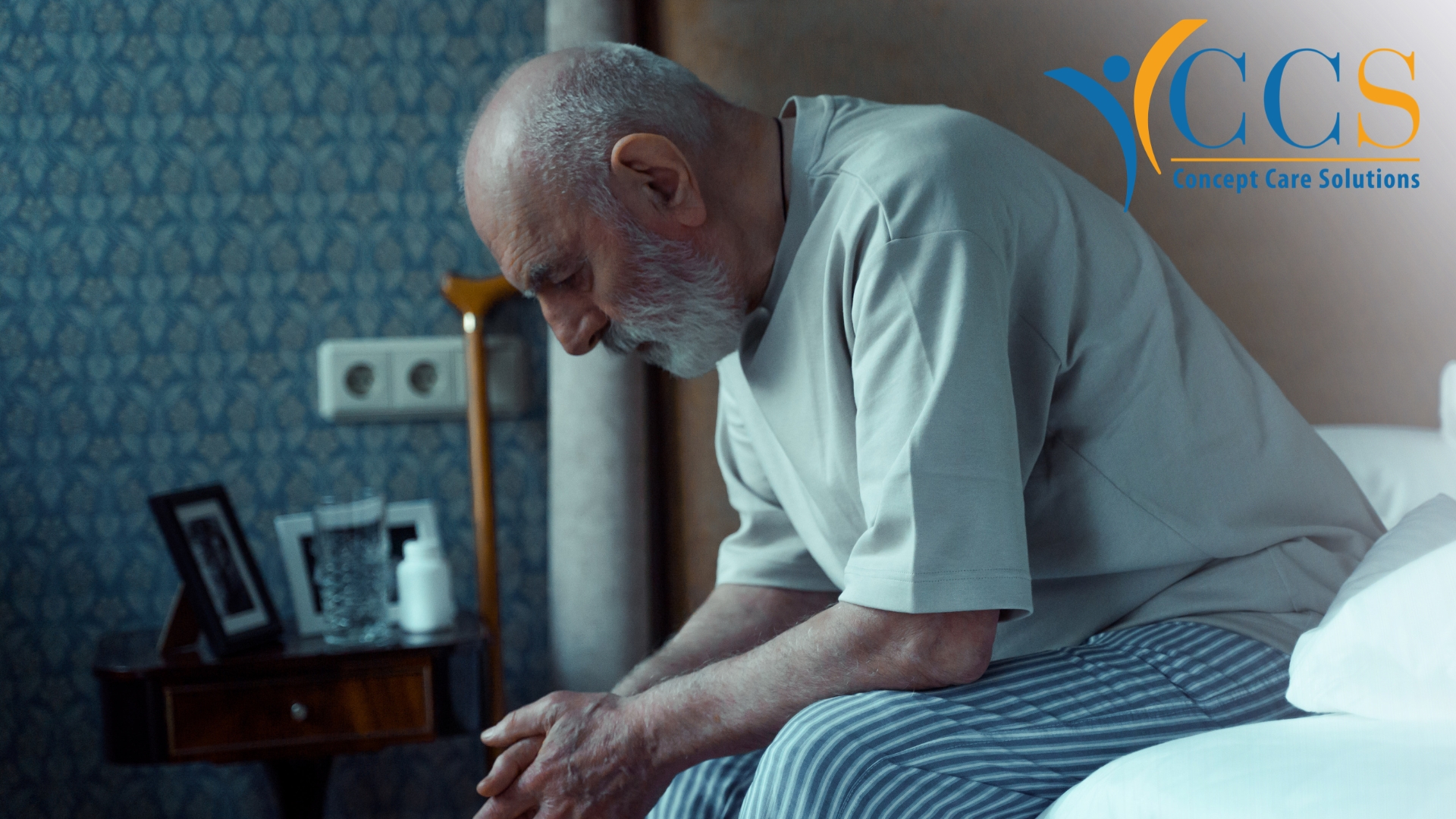
As people get older, it is only natural to cling to many familiar things as long as possible. Times change and people pass on, but the chance to stay in a home where many memories have been made down the years is an invaluable one.
This especially applies in old age, but is also pertinent to those who are younger but have disabilities, not least as that can involve living in a home that has had various adjustments made to enable them to be comfortable there.
In either case, such homes provide stability, familiarity, plus a closeness to friends, neighbours, amenities and places of social and personal nourishment, such as community centres, places of worship, shops and medical facilities.
A second reason to stay at home is that many people love being independent and dislike the idea that, even if they need extra care, they may have to move into a care home to receive it.
Since three-quarters of those aged over 65 own their homes outright, it will make perfect sense to most to stay in a place they had worked hard to pay a mortgage on for many years in the past and could now enjoy at no further cost.
Indeed, survey data have shown that as many as 96 per cent of elderly people would rather stay in their own homes for care.
How Does The Attendance Allowance Work?
If you or a loved one does not want to move into a care home but to stay in your own home instead, the key question is how you can get the social care funding you need if you don’t have lots of savings or other assets to cash in on.
What you will need for this purpose is the attendance allowance. This is a benefit designed specifically for the purpose of providing the funding needed to cover the extra costs of having somebody care for you at home due to a severe disability or health condition.
There are a few basic facts you need to know about Attendance Allowance before we look at each aspect of it in greater detail:
· It is administered by the Department of Work and Pensions (DWP)
· There are two methods of claiming a standard system and a second system specifically for those receiving end-of-life care
· There are two current rates, one set at £110.40 a week and one at £73.90 a week, depending on your needs
· You can qualify if you are of pensionable age, if you have a serious health condition, or if you have a physical or mental health condition.
· You do not actually need someone caring for you to claim
· Attendance Allowance applies in England and Wales, with residents of Scotland getting an equivalent benefit called Pension Age Disability Payment, so you will need to change your claim and let the DWP know if you move to Scotland.
· Anyone moving from Scotland to England or Wales needs to claim Attendance Allowance immediately, even while their final scheduled Pension Age Disability Payment instalments are being made
How Much Do You Get On The Attendance Allowance?
The differences in the rate are defined by the DWP as follows:
· The £73.90 rate is paid to those who need “frequent help or constant supervision during the day, or supervision at night”.
· The £110.40 rate goes to those who require ”help or supervision throughout both day and night,” or are deemed by a medical professional to be nearing the end of life
For those who require end-of-life care, the system includes the filling in of a form called an SR1 by a medical professional. This is to confirm the expectation that the patient has less than 12 months to live. In such cases, the higher rate of £110.40 will be paid.
This rate can change if your circumstances do. For example, if you have been receiving the £73.90 rate but your general needs increase, or you need end-of-life care, or a combination of both, you should report this change to the DWP to get the higher rate.
It should be noted that arranging for attendance allowance does not mean you cannot claim other benefits. Those receiving this benefit will also be eligible for pension credit, housing benefit and a reduction in council tax.
How Would Claiming The Constant Attendance Allowance Affect You?
A further provision of this system concerns a benefit called the Constant Attendance Allowance. This can be claimed by those who already receive either Industrial Injuries Disablement Benefit or a war disablement pension and require daily care for a disability.
There are four different rates at which this is paid, based on your level of need. The highest figure is the ‘Exceptional Allowance’ of £180.40 a week and below that is the Intermediate Allowance of £135.30.
Recipients of these may also qualify for Exceptionally Severe Disablement Allowance, whereas those on the Full Day Rate (£90.20) and Part Day Rate (£45.10) cannot.
However, it is also important to note that for those in receipt of this benefit, this means any Attendance Allowance you get will be reduced according to the level of Constant Attendance Allowance payment you receive.
This means, for example, someone who qualifies to receive £73.90 in Attendance Allowance and also gets the Part Day Rate of Constant Attendance Allowance will see a reduction in Attendance Allowance of £45.10, to leave a figure of £28.80.
How Does The Claims Process Work?
Sometimes, you may not be sure if you can claim or not. But if you have a disability and need someone to care for you to enable you to go on living in your home, you should make a claim.
This can be made online or by post. To do so, you need to be able to supply certain details, such as your national insurance number, address, who your GP is and the disability you are claiming for.
It takes around three weeks for the application to be processed and you will get a letter from the DWP explaining the decision. If you are refused, you have the right to appeal the decision.
Once a successful claim is made, your payments will go directly to your bank account, ensuring you have the funding you need to pay for your home care and can stay in the place you love to live in.