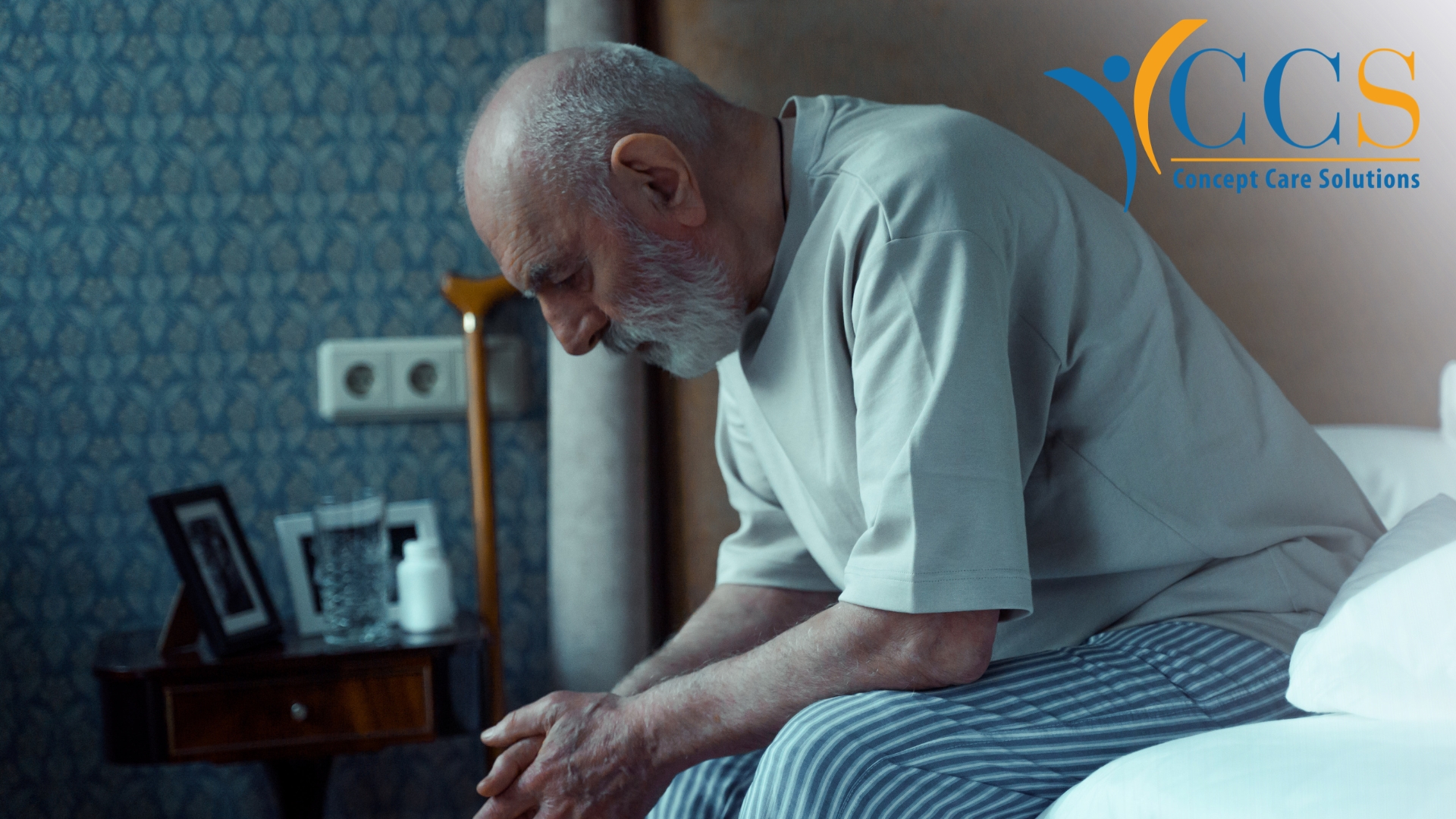
It takes a lot to take care of a friend, relative or loved one, and regardless of the reasons for taking on the role of a full-time carer, it is a huge responsibility for one person to manage.
This pressure over a long time can lead to long-term stress and burnout, and it is essential to know that you are not alone and do not have to handle these feelings alone.
This is exactly why respite care exists; it provides a healthy and stable environment for a person being cared for, whilst a caregiver can take care of themselves, destress and do anything else they need to.
To understand why, it is important to know what caregiver burnout is and why it happens.
What Is Caregiver Burnout?
Burnout is a specific form of mental and often physical exhaustion with a clear cause related to an occupation or vocation.
Whilst more people are aware of workplace burnout, caregiver burnout has very similar causes and effects, leading to caregivers feeling depersonalised, constantly on edge and increasingly mentally distanced from their life and the role they take caring for others.
Signs Of Caregiver Burnout
Every caregiver will often feel their burnout impact them in different ways, and the symptoms of burnout tend to accumulate rather than appear suddenly. Much like chronic stress, the symptoms build over time and sometimes take time to be truly noticed.
Here are some common signs, and whilst they are not always a sign of burnout, nor does every caregiver with burnout feel these, it is important to reach out for help if you feel any of them.
- – A feeling of frustration, often taking the form of feeling unappreciated for the care a caregiver provides.
- – Denial in some cases of the extent of a condition, particularly in cases of sensory defensiveness or panic attacks in situations that would typically be more acceptable, such as bathing, feeding or taking medications.
- – A caregiver experiencing a feeling of guilt for taking care of themselves, often because they feel constantly “on call” for the person they are taking care of or responsible for the well-being of everyone around them.
- – A growing cloud of negativity or depression, which can sap the motivation of a caregiver to undertake their responsibilities to a person in their care to the best of their ability.
- – A sense of feeling alone, misunderstood or that one cannot ask for help. This can often lead to the use of coping mechanisms that are not necessarily healthy, such as alcohol or tobacco.
How Can Respite Care Help Improve Your Mental Health?
One of the biggest causes of caregiver burnout is feeling like you have to take care of someone every hour of every day, and this can eventually take its toll, particularly if a person’s care needs require a very specific routine.
This is where respite care helps, and can take several forms:
- – Additional help at home, usually in the form of a home carer.
- – A day care centre, which often allows for a regular break.
- – Short-term residential respite care.
All of these options help to relieve stress, give you time to manage your affairs and personal life, help to take care of tasks that you do not feel comfortable doing and help reduce that feeling of being overwhelmed.