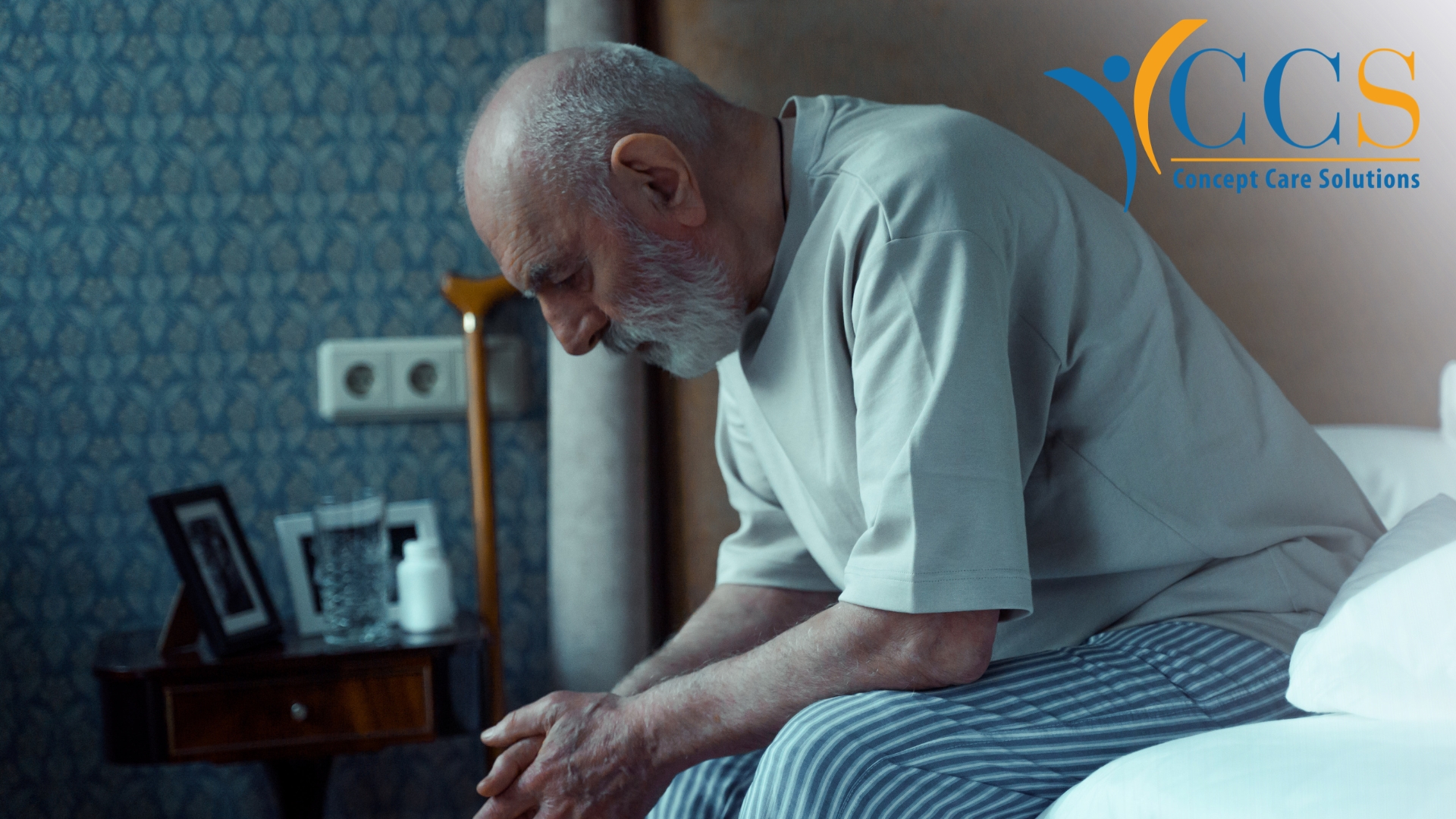
This week (May 11th-17th) is Mental Health Awareness Week 2026, with a focus on taking action to help those in need, whether it is oneself or others.
That can cover all sorts of topics, but one issue that sometimes slips under the radar is the negative impact of loneliness on mental health.
In recent years, there has been a growing appreciation that mental health is an issue for everyone. While some people may have chronic conditions that require managing and sometimes medical or therapeutic intervention, anyone can suffer from poor mental health.
While it isn’t chronic for most, it can be the result of negative circumstances and one of these is loneliness. This is an increasing feature of modern society and this is why a key feature of our home care services is to provide companionship to those who live alone.
In this case, action must be all about ending loneliness for a person receiving home care.
How Bad Is Loneliness In London?
Loneliness is a major feature of our society. It might be easy to imagine that this would be unlikely in a city of nine million people like London, but the reverse is the case.
A report for the Greater London Authority (GLA) found that:
- At least 700,000 residents of the capital (eight per cent) feel lonely most or all of the time
- This figure is higher than average for some groups, such as the young, LGBT people, those on low incomes, single parents, some minority groups and those who are deaf and disabled.
- The most common characteristic of lonely people (61 per cent of cases) is that they are single and live alone.
- Other common factors include those who have experienced prejudice (59 per cent), severe poverty (50 per cent) and disability (41 per cent).
- Being new to London can also be a factor.
- These figures were collected just before the Covid-19 pandemic and it is expected that the situation will have got worse since then.
What Are The Effects Of Loneliness On Mental Health?
The effects of loneliness on mental health can be very serious. The NHS notes that one of the symptoms of loneliness is increased social anxiety, which can make people more reluctant to socialise.
Anxiety in itself can be a mental health symptom, but this particular manifestation leads to sufferers becoming lonelier still as they isolate themselves more, creating a vicious circle.
Loneliness can also lead to people becoming depressed and doing less for themselves at home, with less self-care, cooking less and getting out of bed later. A result of this is more depression and an increased risk of dementia in later life.
Research by the Mental Health Foundation also provided significant insights into the mental health implications of loneliness.
It highlighted several case studies, where individuals suffered from depression and low self-esteem as a consequence of their loneliness.
Some of the individuals found that mental health made their struggles worse, as this was an element of their lives that they found they had nobody they could talk to about.
At the same time, the research also highlighted the fact that while there is a widespread public understanding of the impact of loneliness, many did not appreciate that people can feel ‘lonely in a crowd’.
In a big city, that may be true for many individuals who have a lot of passing interactions with many different people, but not deep, genuine relationships, proper friendships or lengthy conversations.
What all this evidence shows is that there is often a symbiotic relationship between loneliness and poor mental health, but there are other clear links as well.
Why Are Old And Disabled People At Greater Risk Of Loneliness?
For older and disabled people who can benefit from home care, there are some obvious correlations. As well as the GLA report identifying being single and living alone, plus disability, as being common factors, the Mental Health Foundation added being widowed.
Indeed, while some older people may have been single all their lives and have often found this to be a challenge, others might have once enjoyed the deep and daily companionship of marriage, only to lose this when their spouse died, making singleness especially hard.
The disability factor can also apply in two ways. People who have had disabilities for most or all of their lives may have suffered extended isolation as a result, while people who were once mobile and able to get out and about to socialise may have lost this capacity.
In addition, many people who are disabled but used to have friendship groups who would ensure social contact might have lost these, especially if they are all old and those friends have either died or lost mobility themselves.
These circumstances can leave some people very isolated, even while life goes on around them at a fast pace in the big city. This is where the importance of companionship comes into play when providing home care.
Our carers offer genuine friendship, companionship, a listening ear, a fresh voice and a chance to share thoughts, feelings, perspectives and opinions, not just the basic provisions that come with care in the home.
This amounts to a much more holistic approach that recognises the potential impact of loneliness, how it can harm mental health, and why it is important to prevent this from happening.
How Does Our Care Help People Stay Independent In Their Homes?
Being able to live at home rather than going into a care home is a sign of independence. However, loneliness can undermine all that, especially if self-care declines, while mental health problems like depression and anxiety become a serious quality-of-life issue.
That is why our approach to care and the friendship element it includes ensures that those we care for can get the holistic care that they require. This is about caring for the whole person and all their needs, which will extend beyond the basic functional elements of life.
With its’ call to action, Mental Health Week 2026 may spur some on to act to visit lonely people and give them a much-needed bit of companionship. But this is not something everyone will be able to do regularly.
However, because it is built into our philosophy and approach to home care, we are already doing this, working to ensure that nobody receiving home care from us suffers the sort of loneliness that blights so many lives.