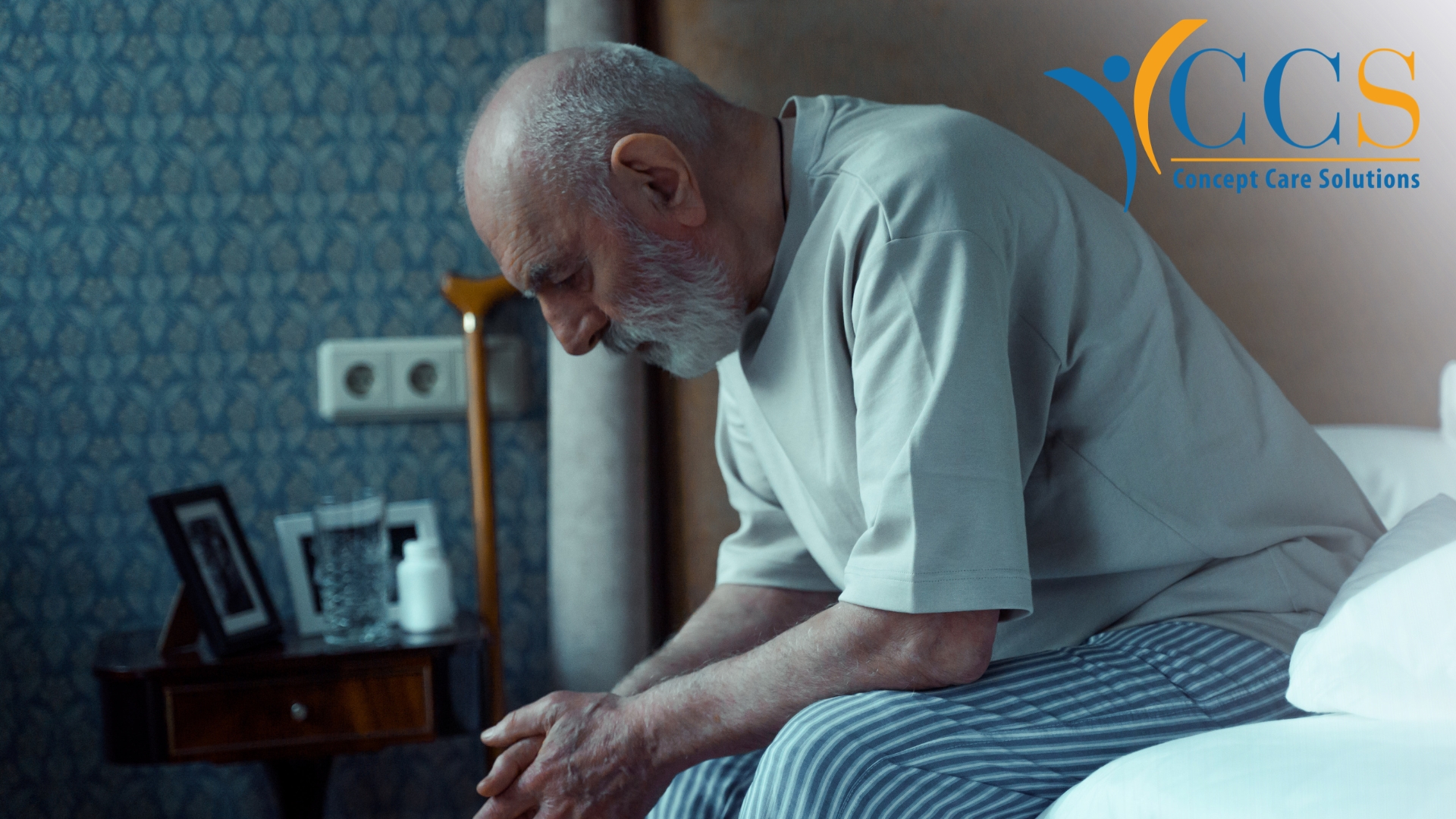
There may well come a time when a friend or relative of yours requires a little extra help as they get older – and it’s likely that they’ll need more assistance and support as the years progress and their ability to look after themselves starts to decline.
There are various options available to you if you’re currently in this position and it’s worth researching all potential care avenues out there to ensure that you’re making the best decision for you and your loved ones.
Here, we look at the differences between home care and care homes to help you determine which would suit you best. If you have any further questions or need any further guidance or advice, get in touch with the Concept Care team today.
Home care
Studies show that the vast majority of people would prefer to age in place, living independently in their homes for as long as possible.
To facilitate this, certain adaptations may need implementation over time, whether that’s investing in home accessibility features, arranging for a live-in carer to visit regularly – or both.
Home care means that professional care providers will come to your home or that of your loved one to provide assistance and support as required.
This can mean moving in permanently or visiting every now and again, with core responsibilities including:
- Support with personal care (such as bathing and getting dressed)
- Assistance with medication and health monitoring
- Companionship
- Mobility support
- Fall prevention
- Meal prep
- Household chores
- Home maintenance
The added benefit of this type of care provision is that it’s entirely flexible and can be scaled up and down quickly and easily, covering you in the event of an emergency or if you need respite care so you can take a break from your own care-giving responsibilities.
Care homes
If living at home independently is becoming significantly difficult for your loved one, they may prefer the idea of moving to a care home for added peace of mind.
Furthermore, the risks of staying at home may begin to outweigh the benefits, in which case a care home may well be the best option for all.
Such facilities provide trained carers who provide support day and night, as well as other employees such as cleaners, cooks and activity coordinators, helping to take the pressure off friends and family members.
Care homes are particularly good options for people with dementia, for example, or those nearing end of life and who are in need of palliative care.
Note, however, that these facilities can be very expensive and local authorities typically have limits in place as to how much funding they can provide to assist with costs.
Get in touch
Of course, this is just a brief guide into your different care options. If you’d like to discuss further, contact the Concept Care team today.