As the seasons shift and we transition from summer into autumn, there’s no better time than the present to think about how you’ll prioritise your health over the coming months.
A common complaint that people have at this time of year is how the lack of daylight hours affects them.
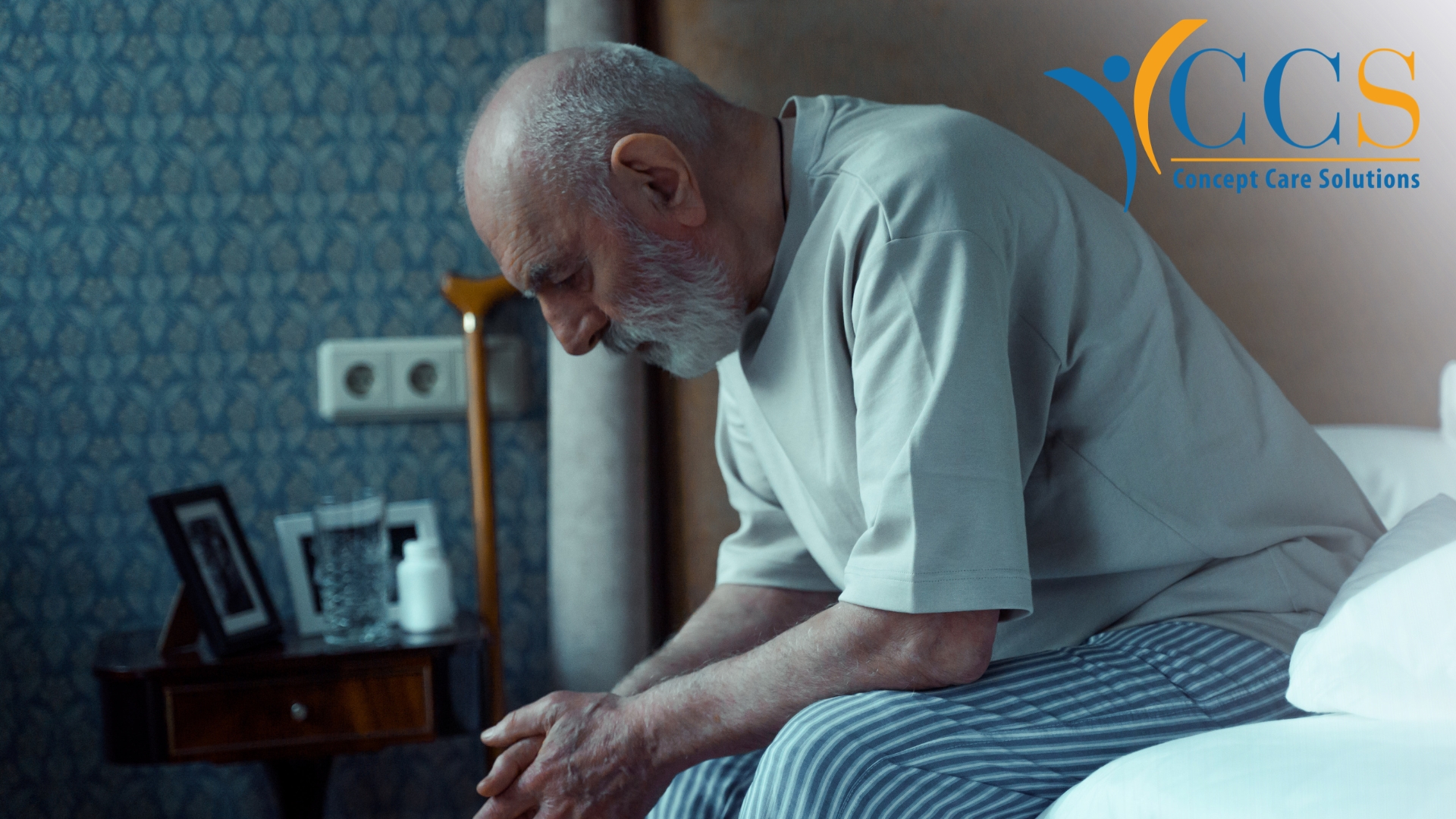
Seasonal affective disorder (SAD) is something that can affect everyone, a type of depression that coincides with seasonal patterns and which is particularly prevalent during the winter.
Symptoms of SAD include:
– Lack of energy
– Difficulty concentrating
– Persistent low mood
– No interest in seeing people/socialising
– Feeling anxious, angry, agitated, sad, tearful, guilty or hopeless
– Loss of interest/enjoyment in hobbies
– Sleep issues
– Physical aches and pains with no obvious cause
– Appetite changes
It can be very difficult living with SAD but the good news is that there’s a lot you can do to help manage your symptoms.
How to cope with SAD
Here are some top tips from the Concept Care team to help you navigate the next few months successfully.
Maximise natural light exposure
Wherever possible during the day, get out into natural light. This can be achieved by going for more walks, spending more time in the garden or even just sitting next to a window to enjoy the feel of the sun on your face.
Get regular exercise
You can help keep your spirits high through exercise, which releases endorphins and other such feel-good chemicals that will make you feel happier and more content.
Exercise is also great for distracting you from negative thought patterns, while boosting your self-esteem and helping you sleep better… all of which can help you manage your SAD symptoms.
Prioritise stress management
Stress can make your SAD symptoms feel significantly worse and much harder to manage, so focusing on different techniques to help you deal with stress can make all the difference.
Identify what’s causing your stress so you can work out how best to deal with it, as well as what changes you’ll need to make and where. If there are factors outside of your control, think about what changes you could make to reduce their effects.
Try light therapy
Investing in a light box that simulates natural sunlight is a great idea if you’re really struggling as the nights draw in.
It’s thought that the intense light these boxes emit can help regulate your hormones, align your circadian rhythm, increase your energy, reduce fatigue and improve your mood.
For the greatest impact, aim to sit near your light box for between 30 minutes and an hour, ideally within the first 60 minutes of waking up.
Talk to your private nurse
A problem shared is a problem halved, so if you’re really finding it hard at the moment and are worried about your health, talk it through with your Concept Care team and we’ll be able to help.